Drywall repair is one of the most misunderstood aspects of interior renovation. While minor damage can be patched successfully, structural movement, moisture exposure, or poor original installation often make replacement unavoidable.
Homeowners frequently underestimate how lighting, paint sheen, and wall flatness expose imperfections over time.
When Drywall Repair Makes Sense
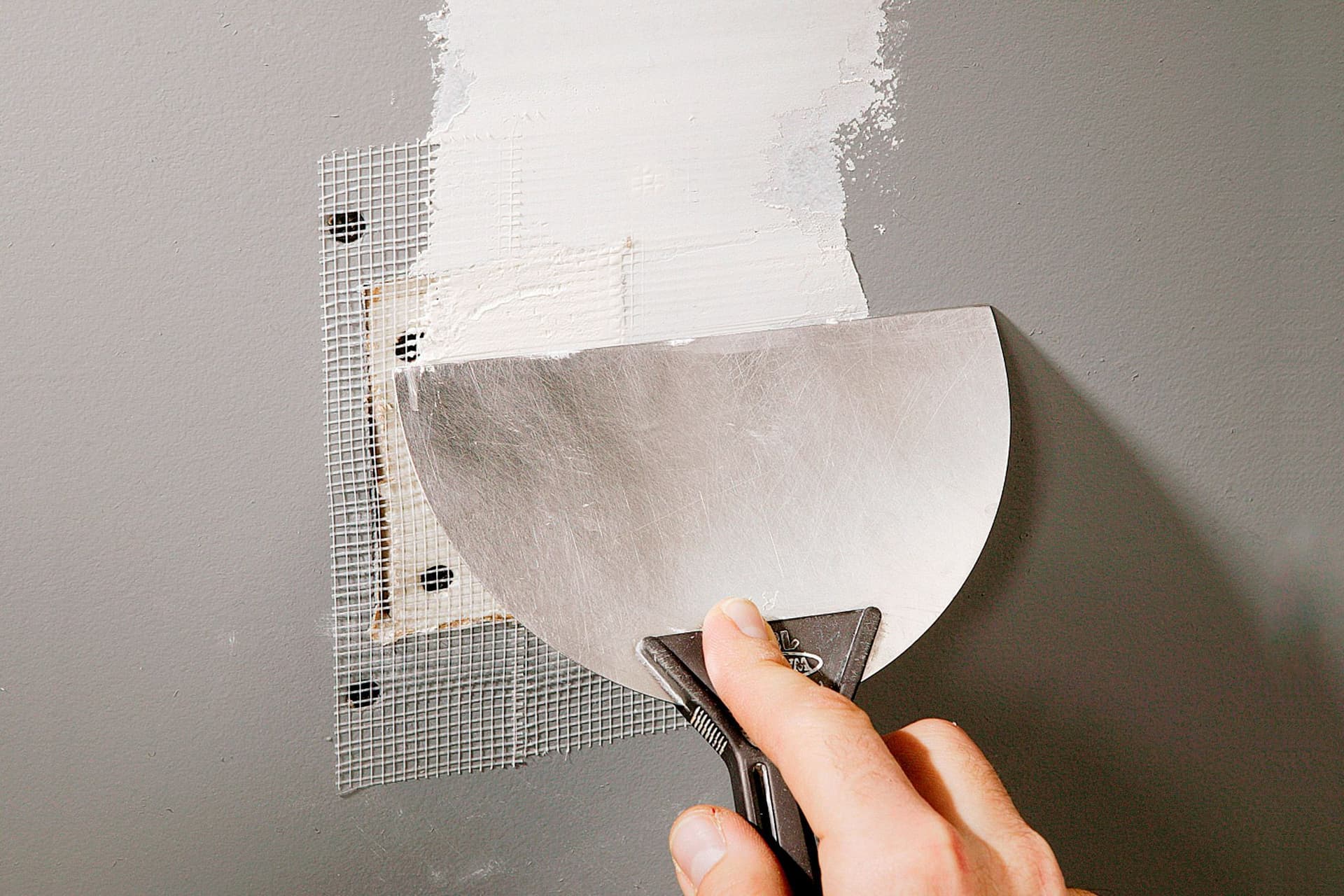
Localized damage such as nail pops, small cracks, and surface dents can usually be repaired without replacing entire sheets; provided the underlying framing is stable.
When Replacement Is the Better Option
Drywall affected by water, mold, sagging ceilings, or uneven framing will continue to fail regardless of how well it is patched. In these cases, replacement restores structural integrity and finish quality.
Attempting to patch systemic issues often results in visible seams, shadowing, and recurring cracks.
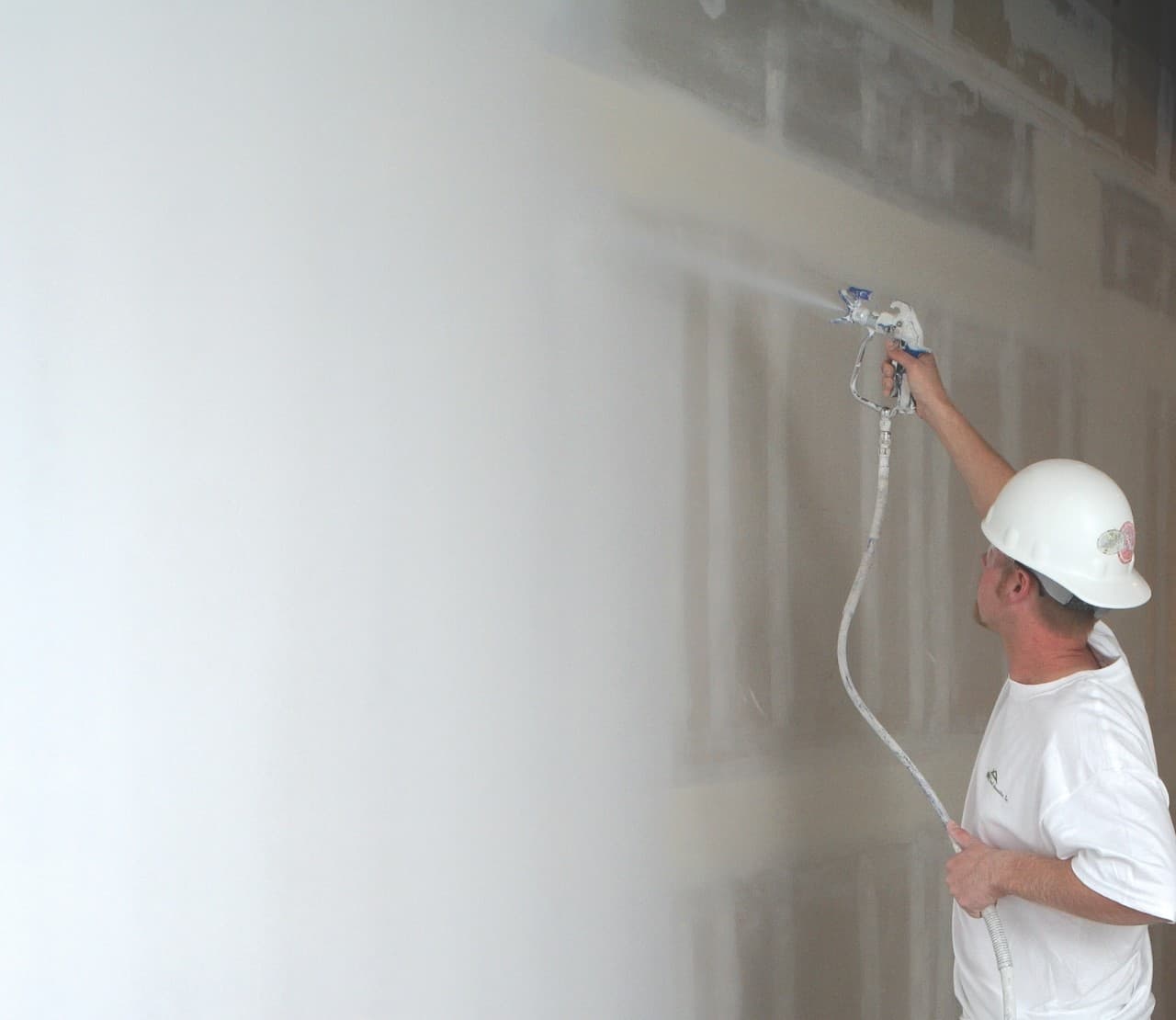
"Paint doesn't hide bad drywall: it makes it obvious."
- Experienced Finishing Contractor
Signs of Hidden Damage
Soft spots, staining, or a musty odor usually indicate moisture behind the wall. These areas often require replacement so you can address the source and inspect framing.
Prep and Finish Quality Matter
A strong repair depends on proper fastening, flat seams, and feathered compound. Poor prep leads to visible ridges once lighting and paint highlight the wall.
Replacement Scope Planning
- Replace full sheets when damage crosses studs or spans multiple bays
- Upgrade insulation or vapor barriers while walls are open
- Match new drywall thickness and type to existing walls
- Plan for retexturing and full wall repainting for uniform finish
Ready to plan your renovation? Book a consultation with EZU Construction to get a detailed scope, timeline, and budget you can trust.
Ready to plan your renovation?
Get a clear scope, realistic timeline, and detailed budget from the EZU Construction team.
Book a Consultation