Home additions
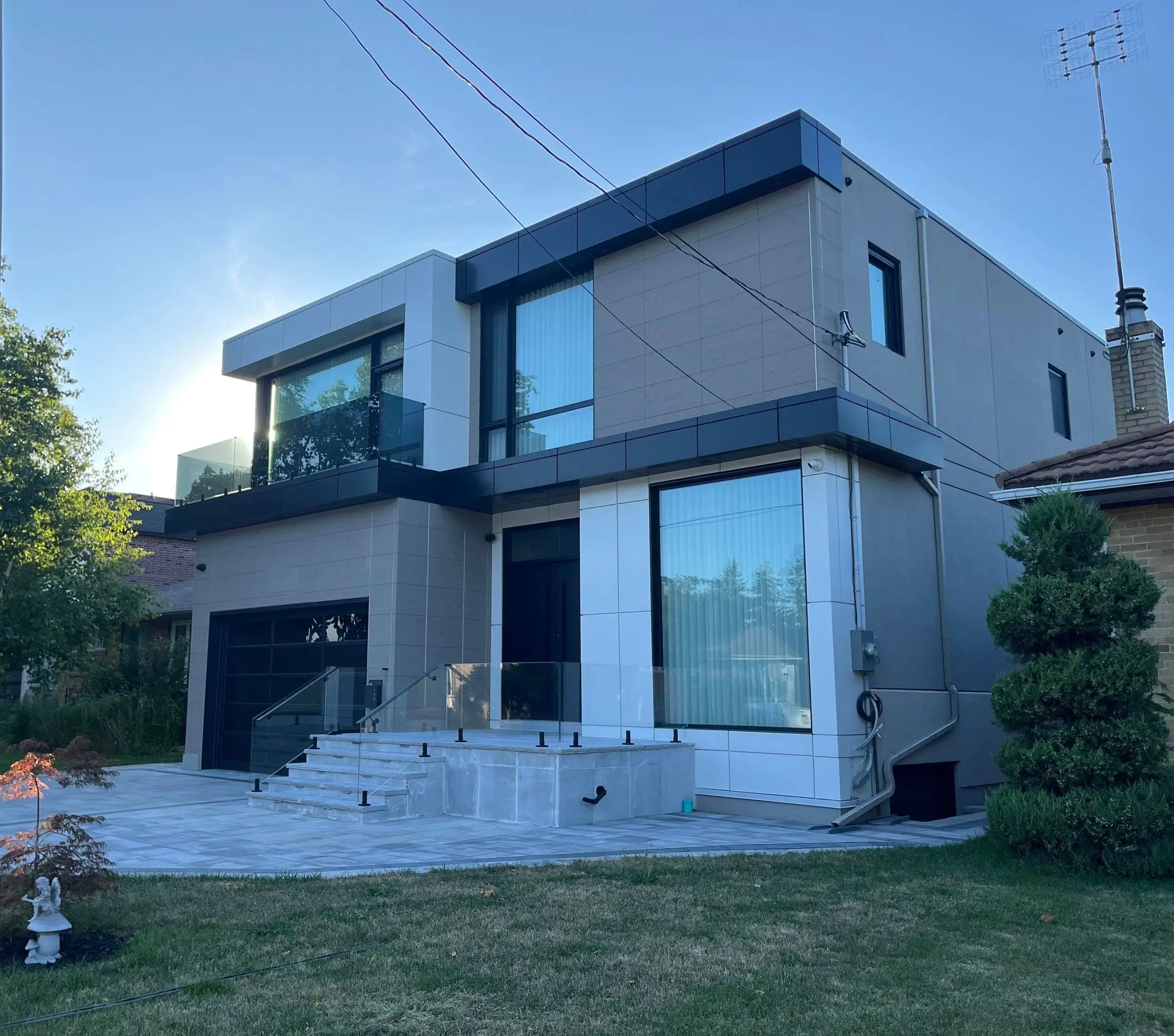
Second storeys, rear extensions and garage conversions that look like they were always there.
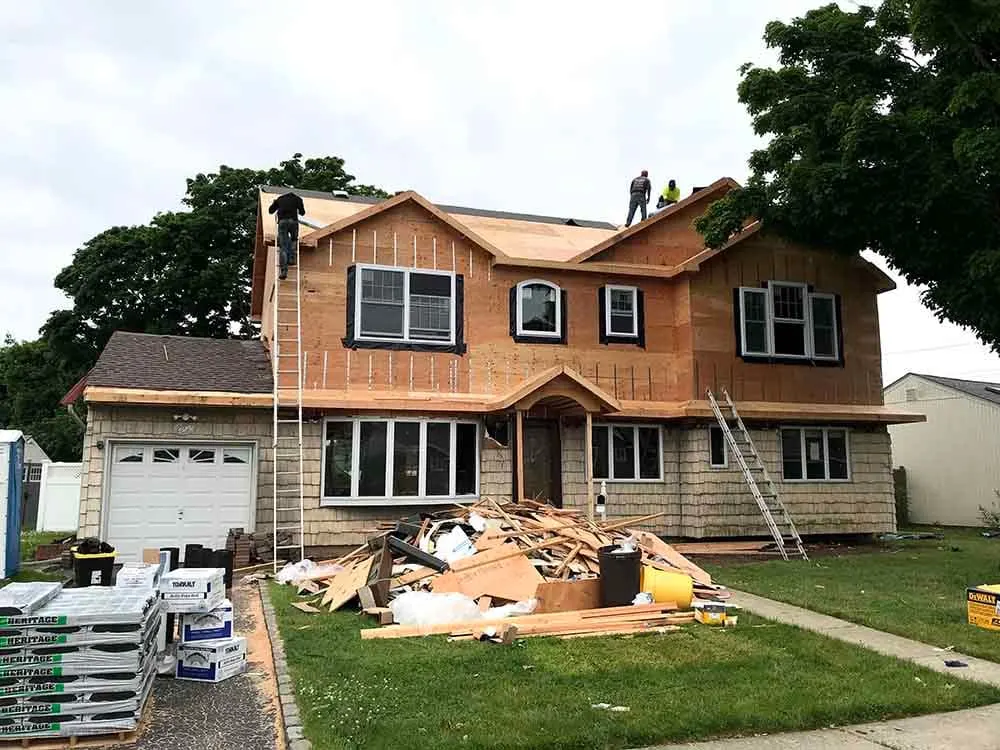
An addition is often the best way to get the space you need without leaving a neighbourhood you like. It’s also the renovation where the structure matters most: new foundations meet old ones, new framing ties into a roof that was never designed to carry a second floor, and the exterior has to match a house that has weathered for decades.
We handle the engineering, the permit and the build, and we plan the work so you can stay in the house for as long as safely possible. Where you can’t, we tell you upfront and schedule around it.
What we take care of
All of it under one contract, managed by a dedicated project team.
Structural assessment
Foundation, bearing walls and existing framing checked before design, so the engineering reflects the house you actually have.
Second-storey additions
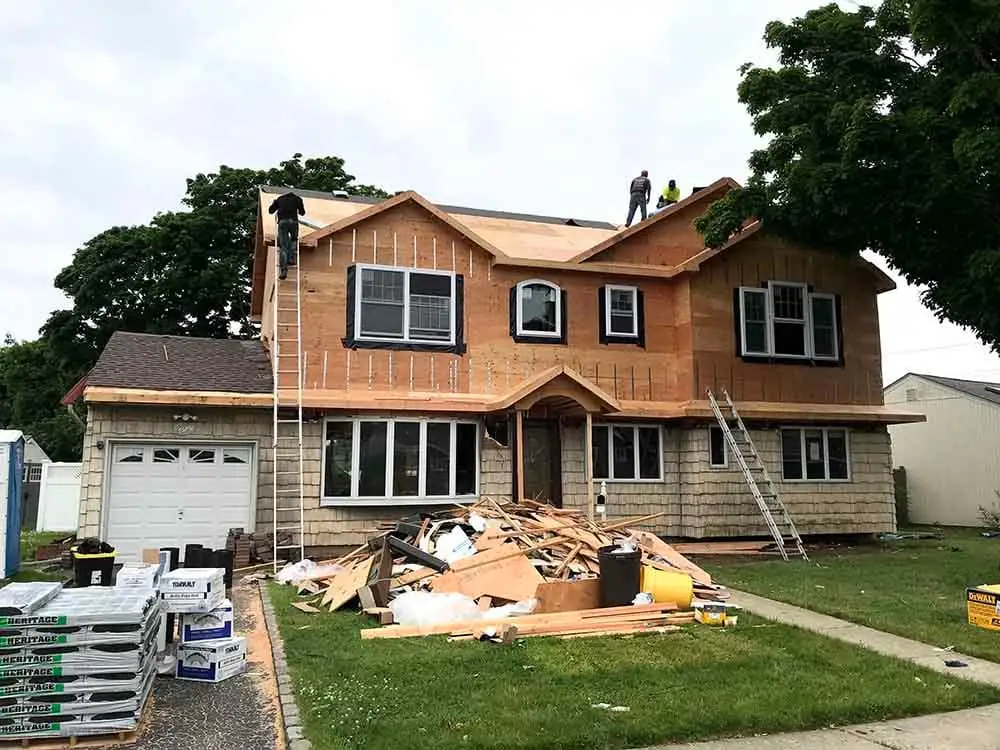
Roof removal, reinforcement, new floor, weather protection plan and a new stair, built to tie cleanly into the existing house.
Rear and side extensions
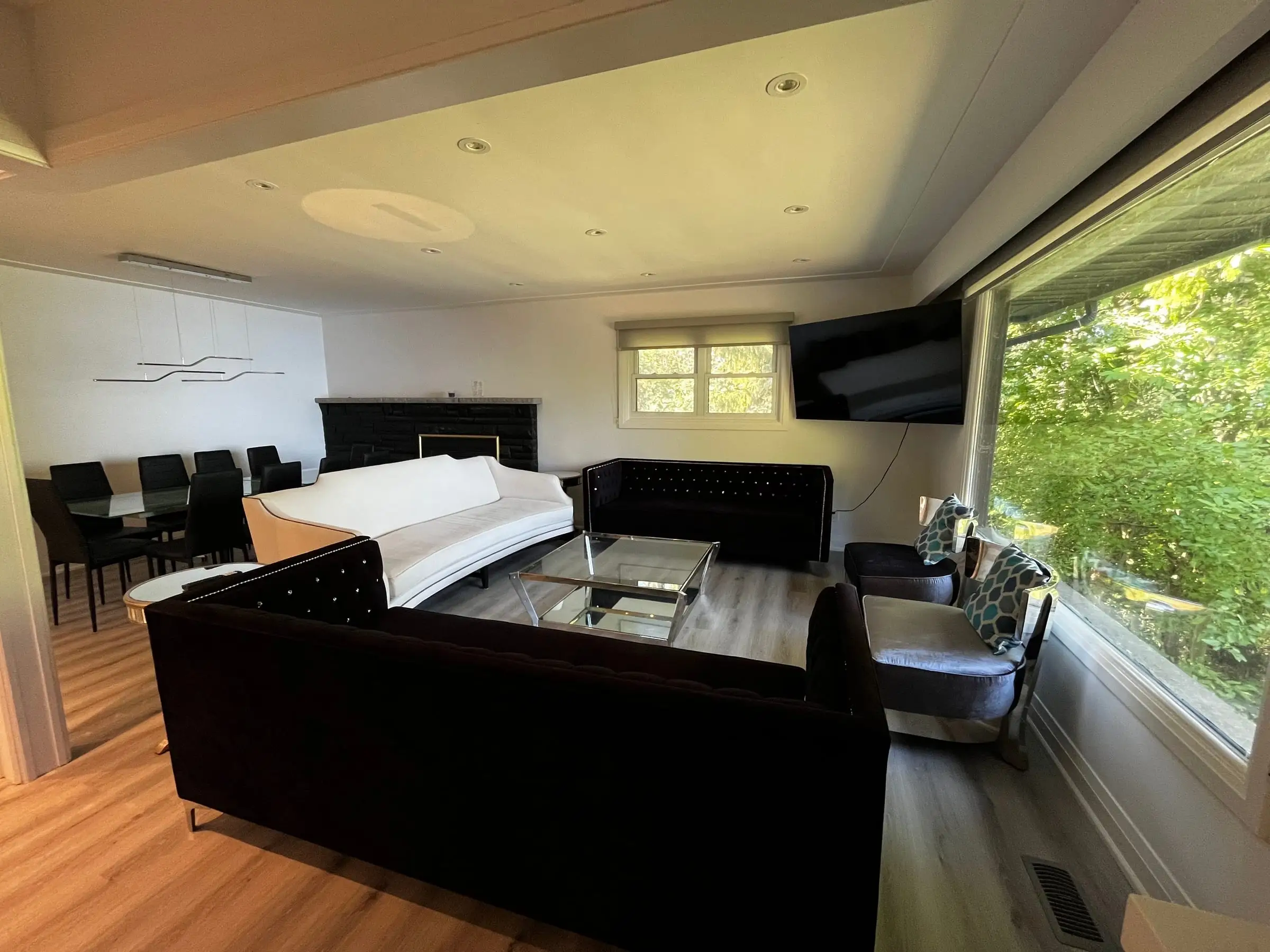
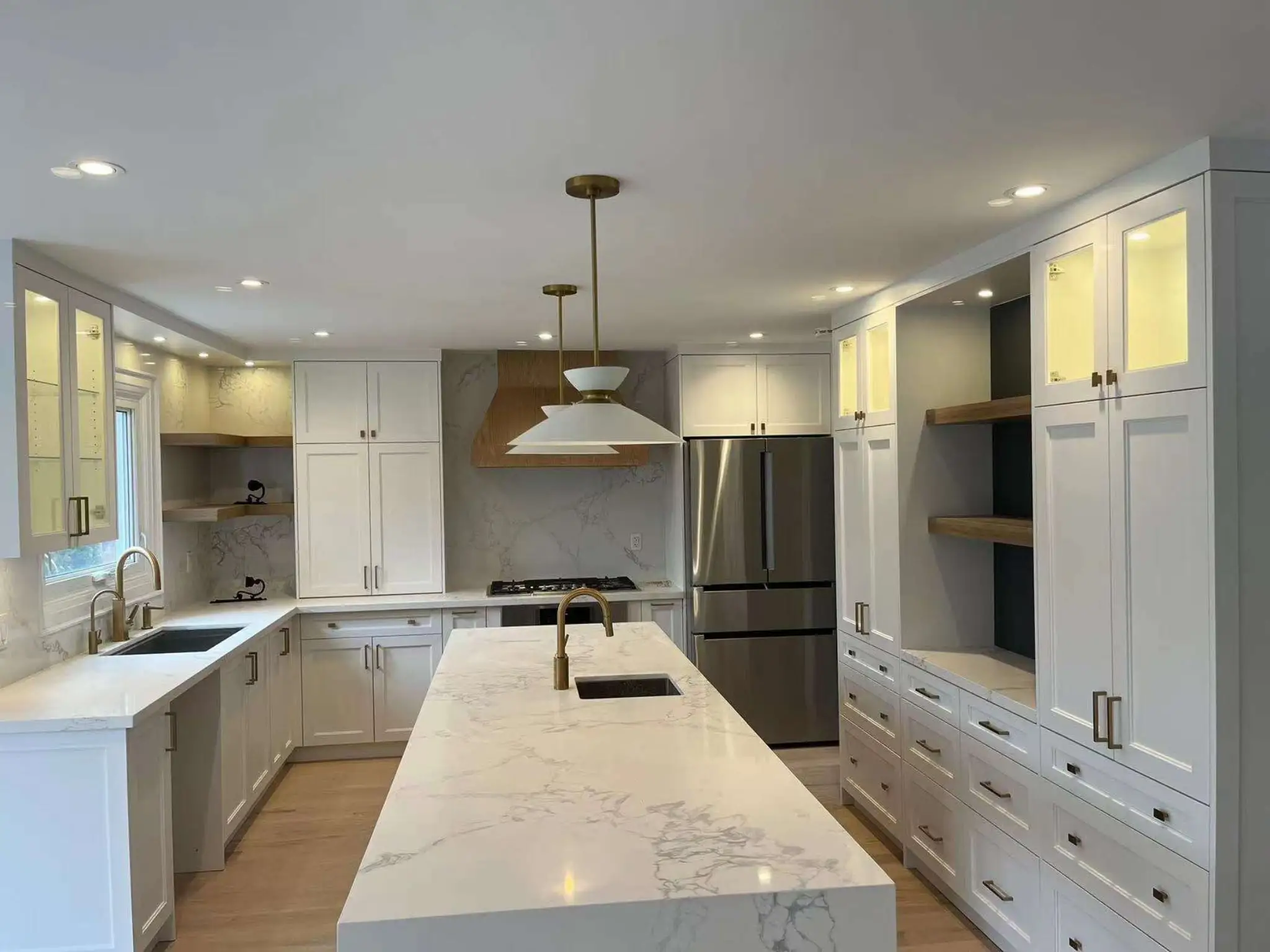
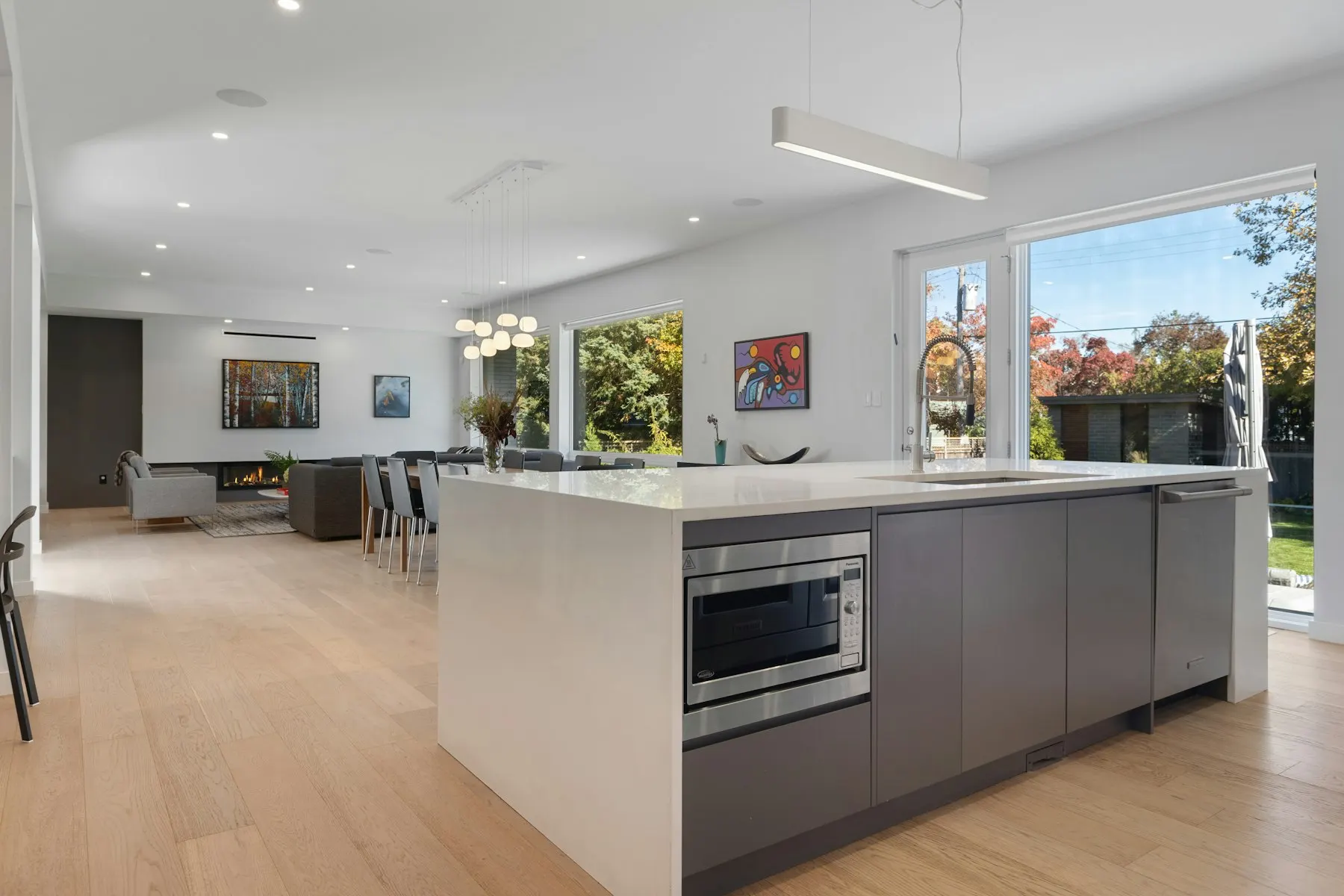
Larger kitchens, family rooms and main-floor bedrooms, with new foundations and a seamless floor transition.
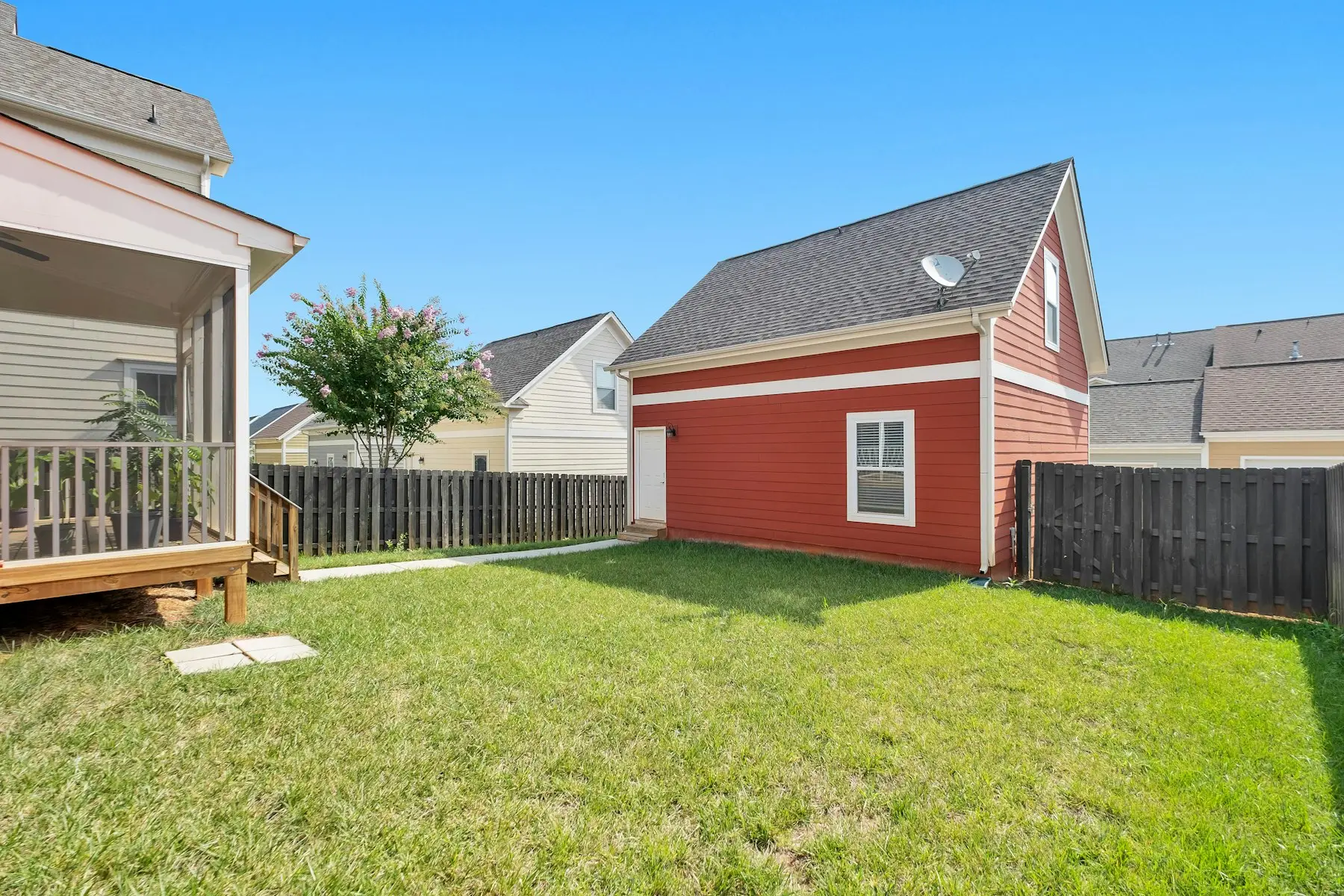
Garage and attic conversions
Turning existing enclosed space into living space, with the insulation, fire separation and heating it needs.
Exterior matching
Brick, stone, siding and roofing sourced and laid to match, or a deliberate contrast if that suits the house better.
Mechanical extension
Heating, cooling, plumbing and electrical extended or upgraded so the new rooms are as comfortable as the old ones.
How your project runs
Five defined stages, from the first site visit to final sign-off.

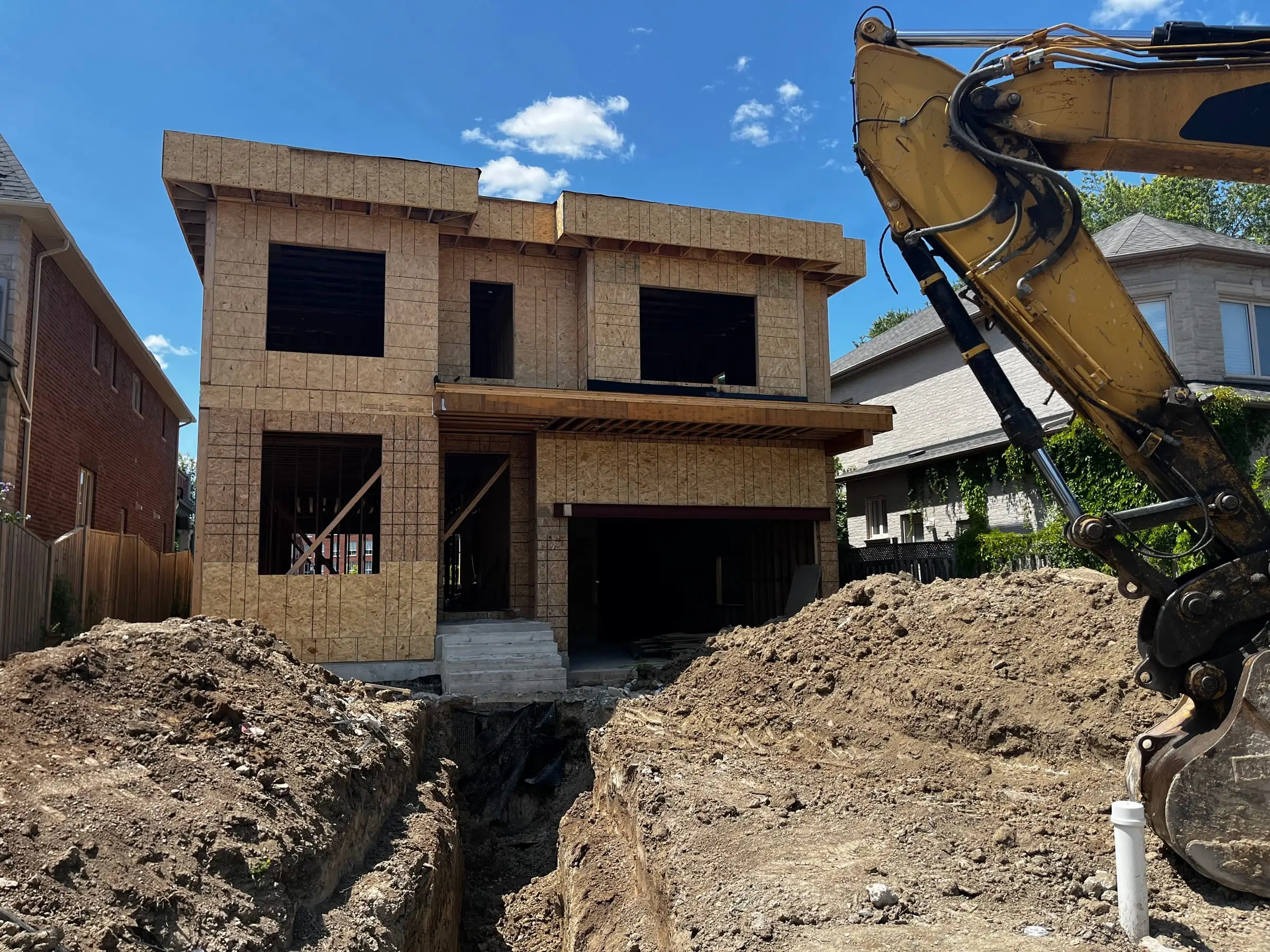
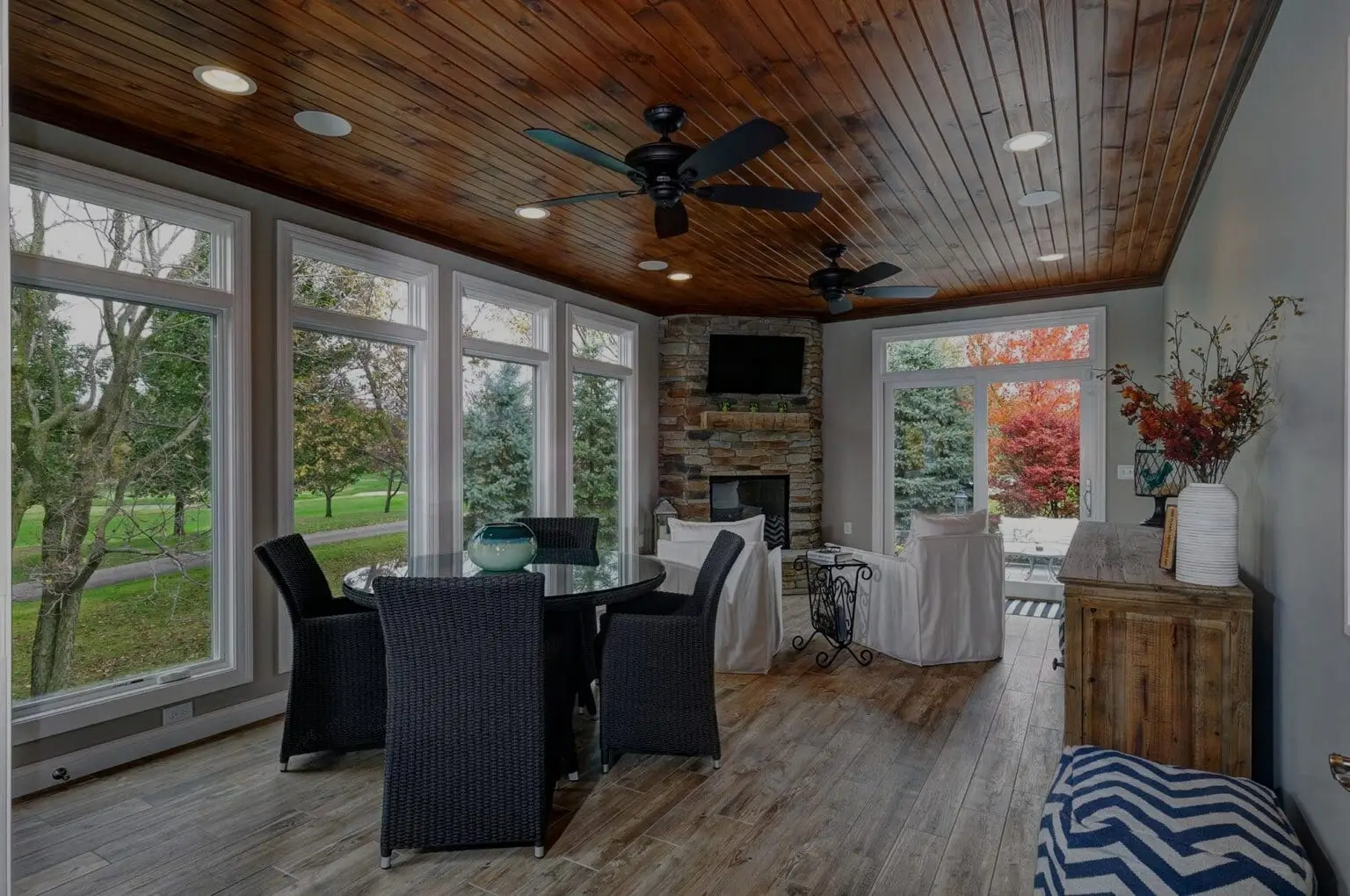
- 01 / 05
Consultation and site visit
We meet at your home to understand your goals, assess the structure and mechanical systems, and outline what can be achieved within your budget.
- 02 / 05
Design and written quote
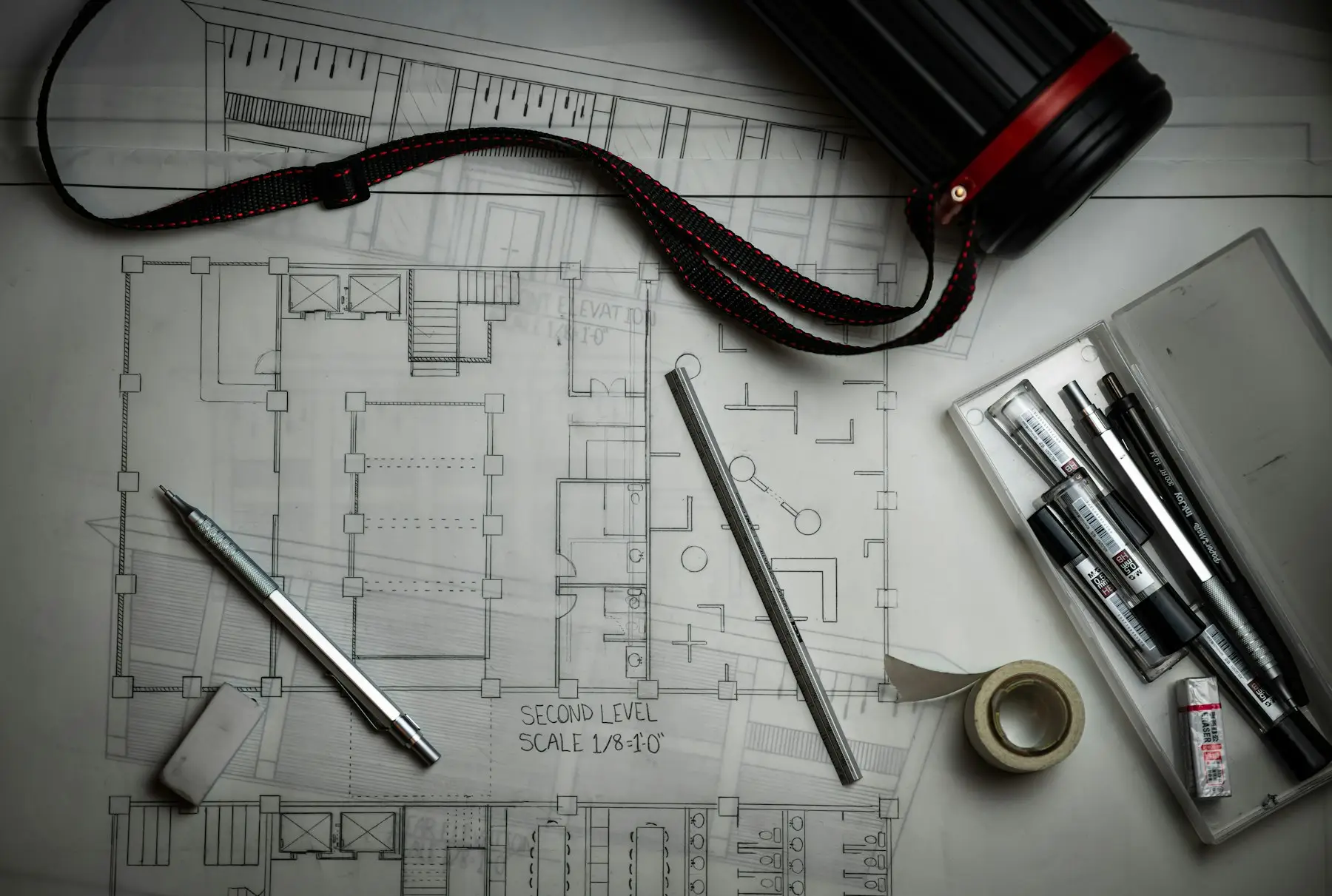
Drawings, selections and an itemized quote. Items not yet selected are listed as stated allowances, and every payment in the contract is tied to completed work.
- 03 / 05
Permits and preparation
We manage engineering, permit applications and utility locates, and order long-lead materials early so the schedule never waits on a delivery.
- 04 / 05
Construction
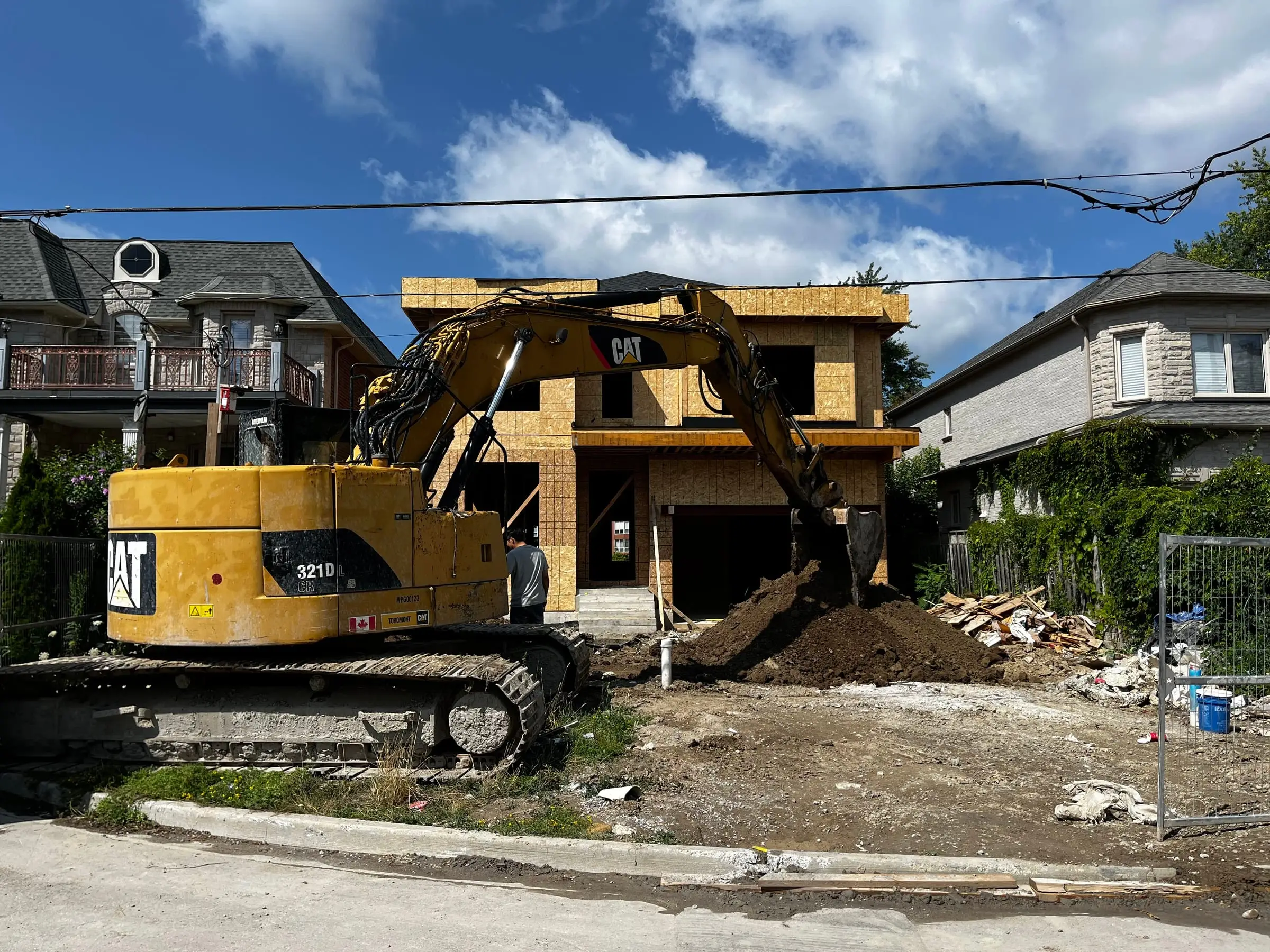
Your project manager coordinates every trade and inspection and sends a written progress update each week. Any change is priced and approved in writing before work proceeds.
- 05 / 05
Handover and warranty
We walk the finished project with you, resolve every deficiency and provide your warranty documents. After you move in, our team remains your point of contact.
How long it takes
Typical for this kind of project in the GTA. Permits are the least predictable part, especially if a variance is needed.
- Design and engineering 6–12 wk
- Permits 8–20 wk
- Construction 16–30 wk
Good to know before you start
Zoning sets the envelope
Height, setbacks, lot coverage and floor space index decide how big the addition can be. We check them first, because a variance adds months.
Plan for the roof-off weeks
With a second-storey addition the house is open to the weather for a short window. A good contractor schedules it outside the worst months and has a tarp plan.
Expect to upgrade the panel
Additions often push older homes past the capacity of their electrical service. Budget for it early rather than discovering it at rough-in.
Common questions
Can we live in the house during an addition?
For most rear additions, yes, with some disruption in the rooms that connect to it; we seal off the work area and keep dust under control. For a full second storey, most families move out for the roof-off and framing stage, roughly two to three months, and return once the house is weathertight.
Should we build up or build back?
Building up adds space on the same footprint and keeps your yard. Building back is less disruptive and better for main-floor space, such as a larger kitchen or family room. Zoning, your foundation and your budget usually decide it, and our guide on second-storey versus rear additions walks through the trade-offs.
Will the addition match the existing house?
That’s the goal, unless you want a deliberate contrast. We source matching brick, stone or siding where it’s still available, line up floor heights and rooflines, and carry the trim details through so the addition looks original.
Can my foundation support a second storey?
Often, but it has to be confirmed. Our structural engineer reviews the existing footings and framing early. Some houses need reinforcement or new footings, and we price that before you commit to design.
Do you handle the permit?
Yes. We prepare and submit the application, respond to the plans examiner’s comments and book every inspection. If the design needs a minor variance, we prepare that application and represent the project at the Committee of Adjustment.
How much does an addition cost?
It depends far more on structure, foundations and the tie-in to the existing house than on square footage alone. We price from engineered drawings after a site visit, so the number reflects your house rather than an average.
Have a question we didn’t cover? Our team is happy to talk it through.
Further reading
-
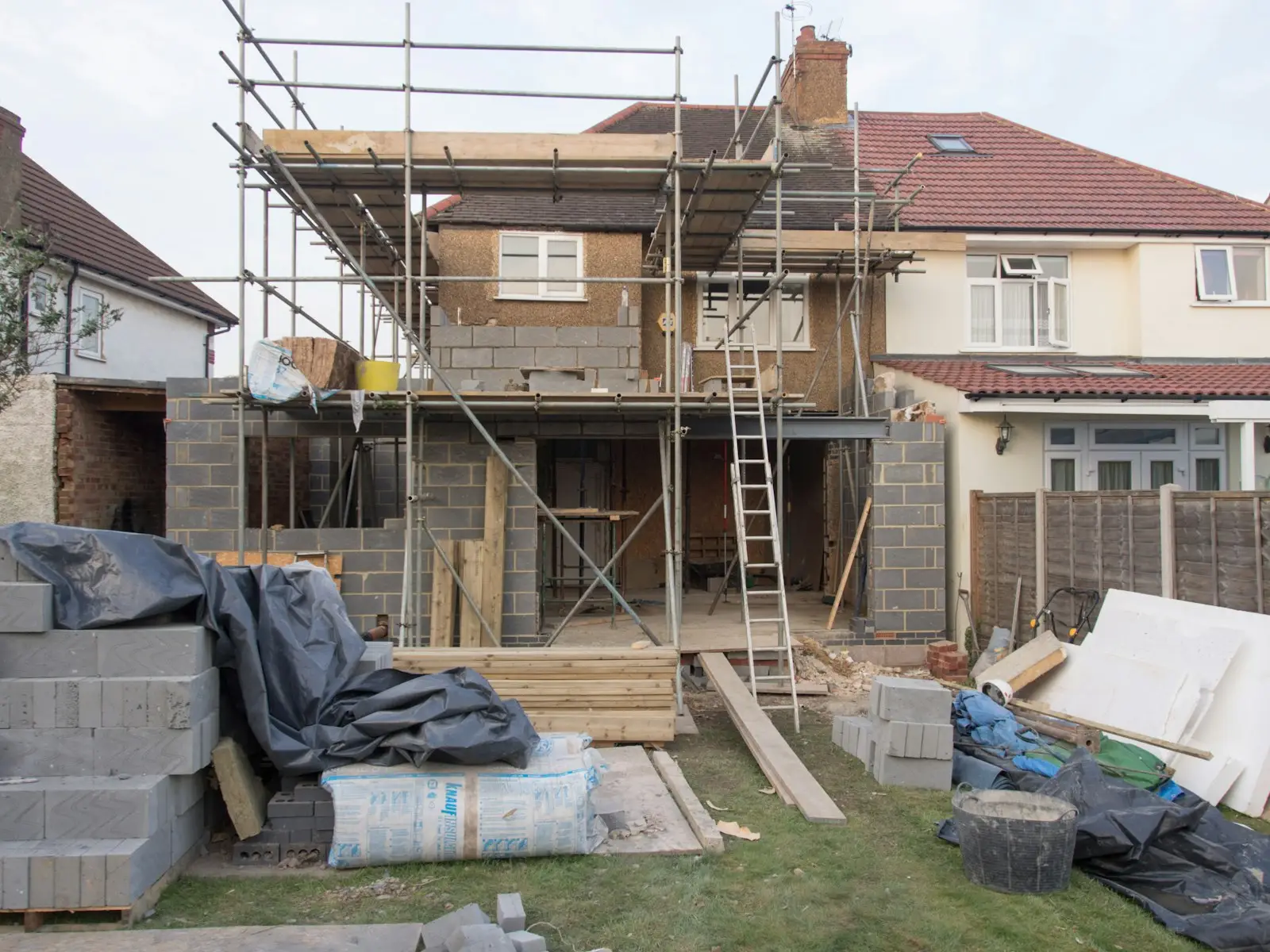 Planning Second-storey addition or rear addition? Choosing for a GTA home How second-storey and rear additions compare on cost, disruption, zoning and the kind of space they add, for houses in Toronto and York Region.
-
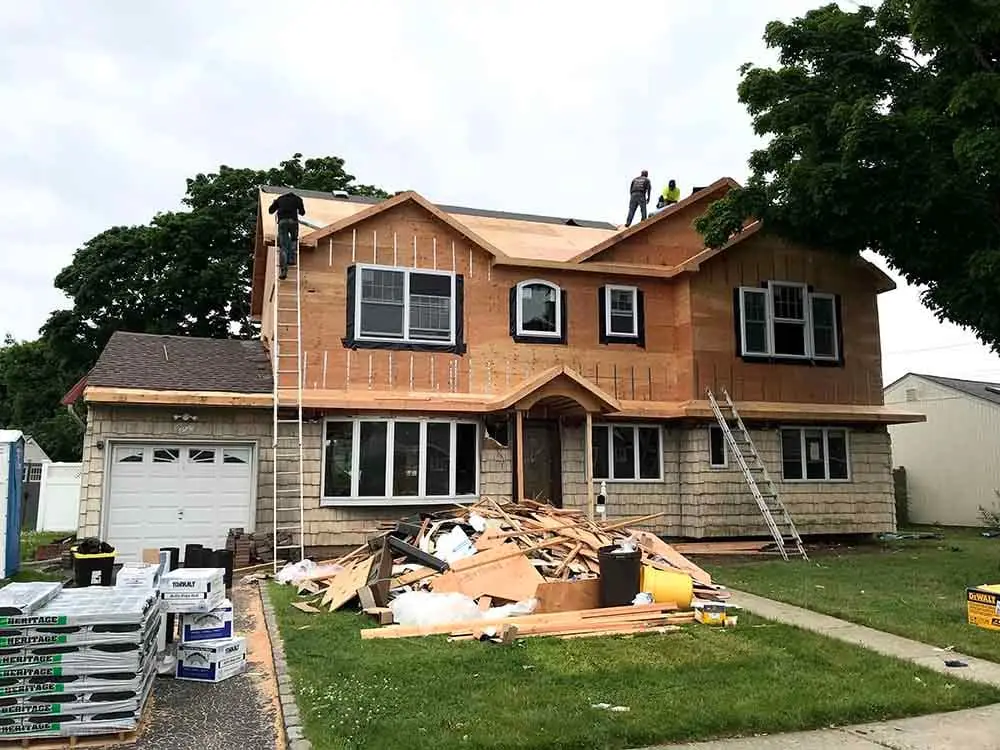 Planning How long a home addition takes in Toronto and York Region A realistic timeline for a home addition in the GTA, phase by phase, from first drawings to moving in, and the delays that are worth planning for.
-
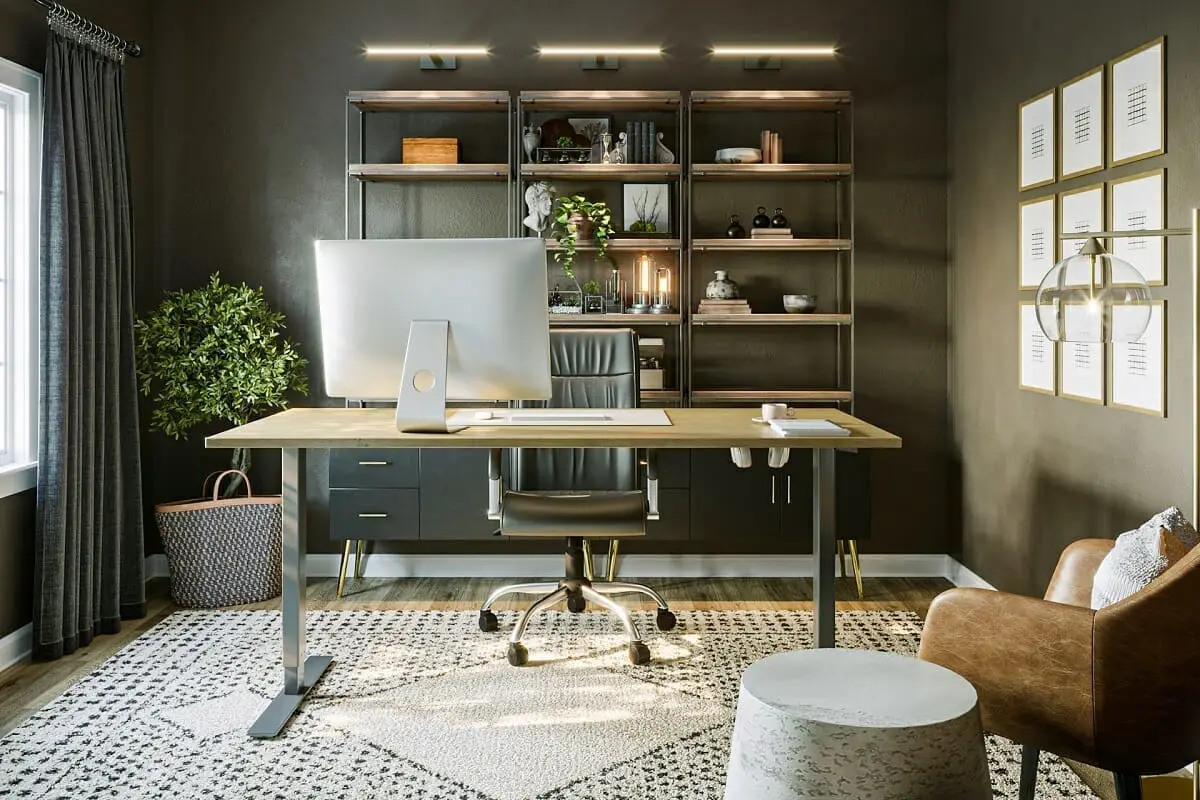 Planning Converting a garage into living space in the GTA Turning a garage into a bedroom, office or legal unit in Toronto and York Region, including permits, insulation, parking rules and typical cost.
-
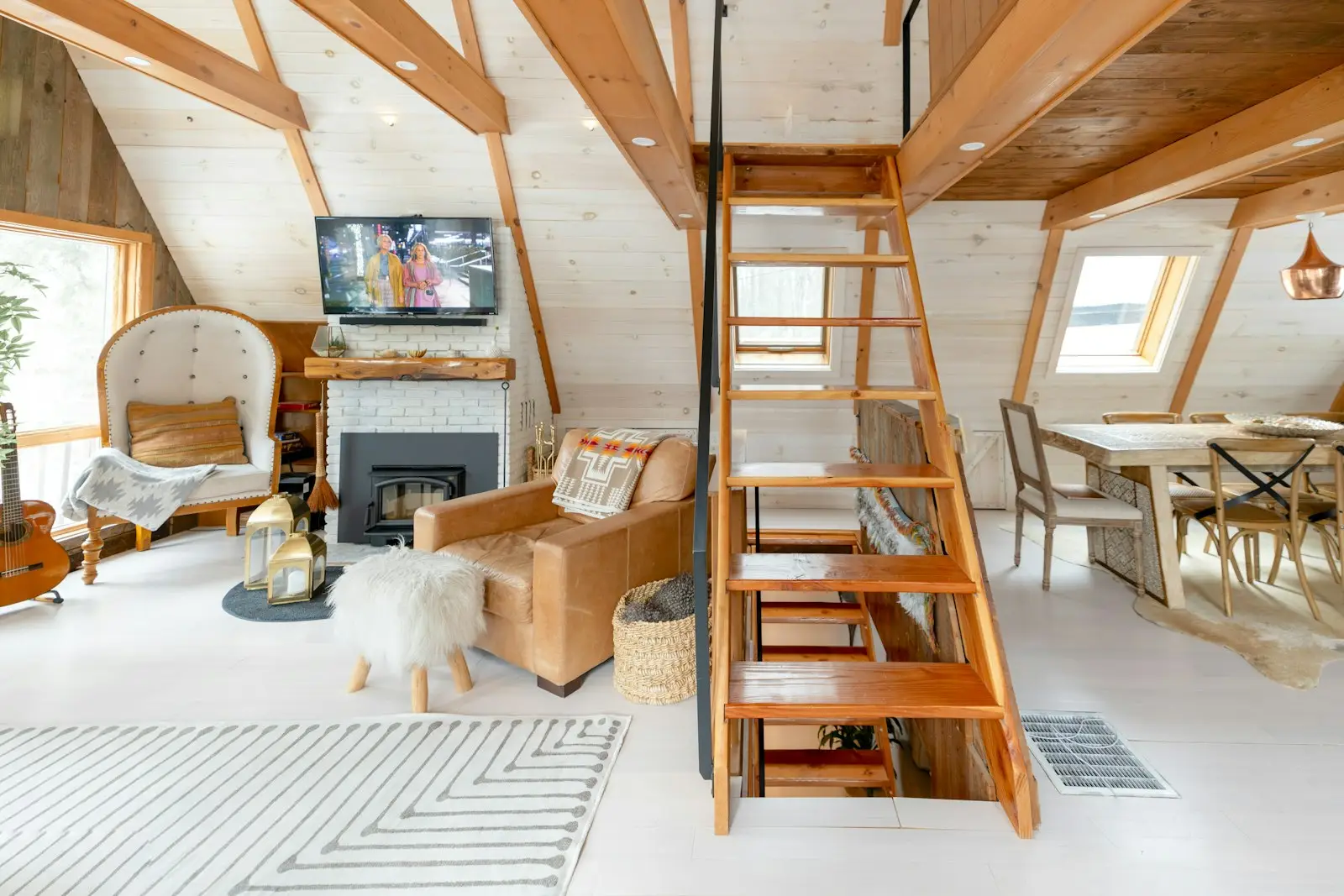 Planning Converting an attic into a bedroom or office in a Toronto home How to tell if your attic can become living space, what dormers add, the structure, stairs and insulation required, and typical costs in Toronto and the GTA.
-
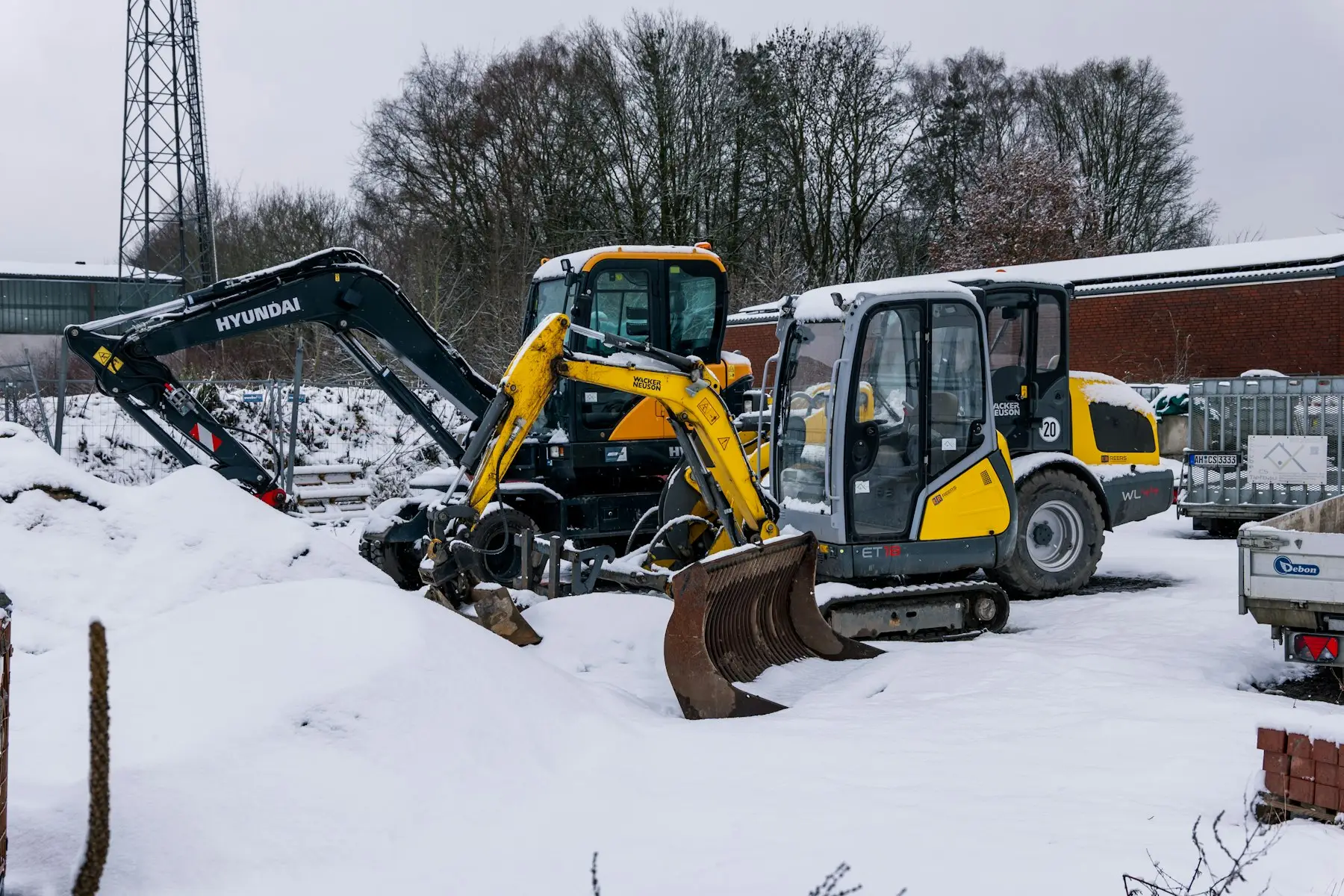 Planning Building through a GTA winter, and what changes and what doesn’t Which construction and renovation work carries on through a Toronto winter, what needs extra care, how it affects cost and schedule, and how to plan around it.
Other services
- Custom homesNew homes built on your lot.
- Whole-home renovationsNew layouts for the whole house.
- Kitchen renovationsKitchens planned around how you cook.
- Bathroom renovationsWaterproofed, ventilated, built to last.
- Basements and second suitesFinished basements and legal suites.
- Laneway and garden suitesBackyard homes for family or rental.
- Trades and repairsFlooring, tile, drywall and paint.
- Not sure which you need?Tell us your plans and we’ll advise.
Have a project in mind?
Book a consultation with our team. We’ll assess your home, review the options with you and follow up with a detailed written quote.