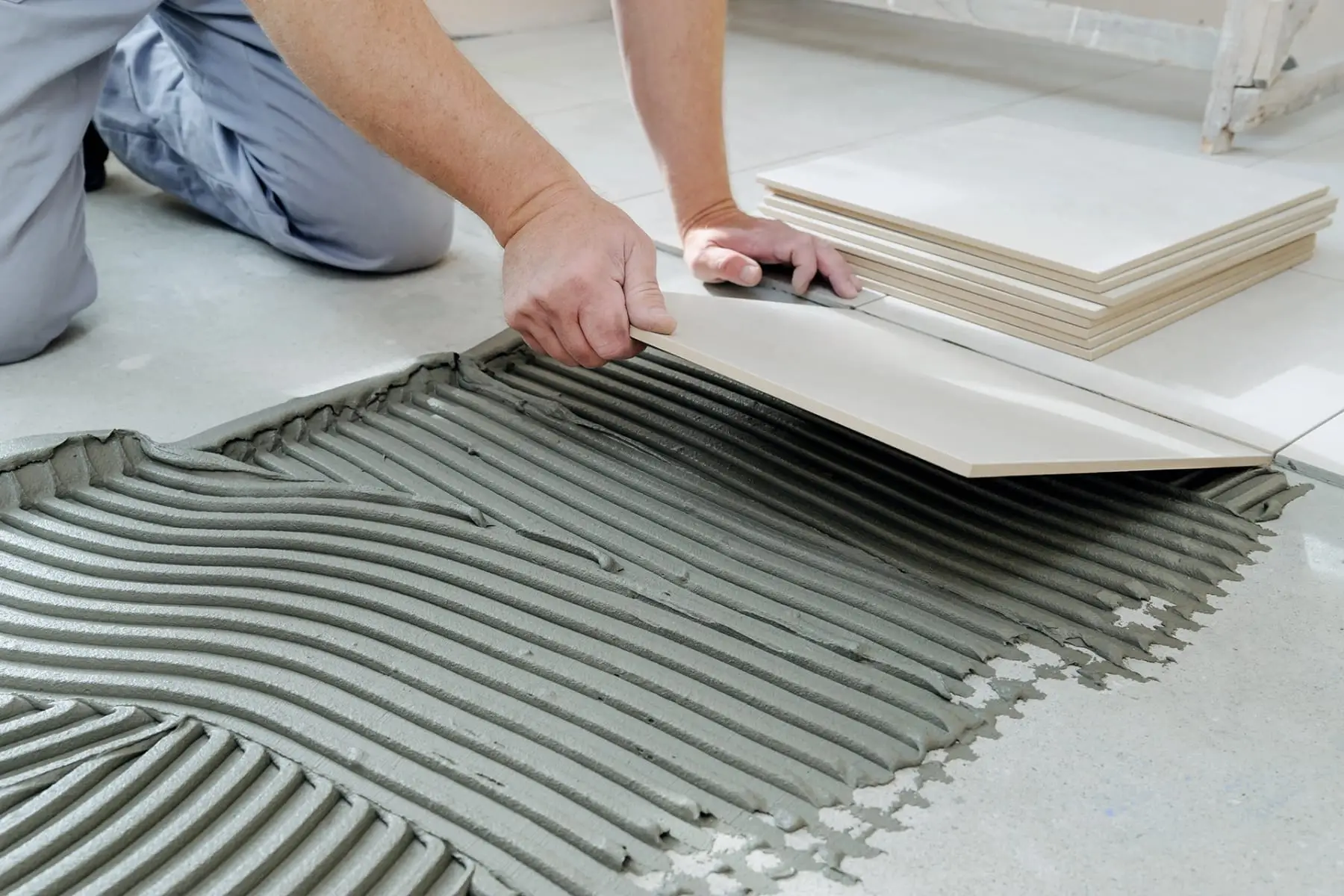
Use your mortgage to pay for a basement or garden suite
CMHC-insured refinancing lets GTA homeowners borrow up to 90% of a home’s value once a suite is built. Plus: the $80,000 federal suite loan isn’t available.
The prices in this guide are rough ranges to help you plan, not quotes. Every house and every set of choices is different. Your price comes from a written quote after we’ve seen the house.
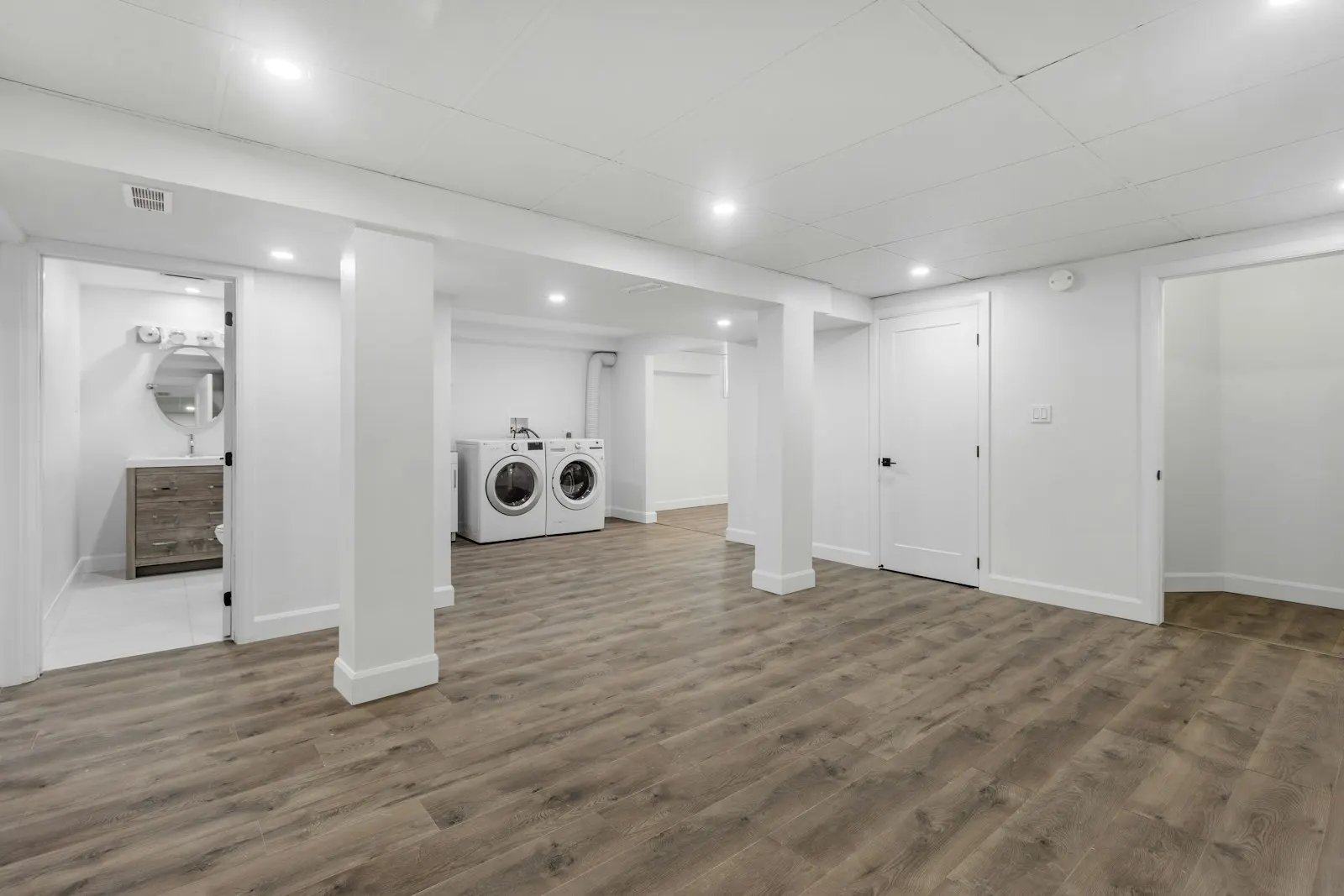
A legal basement suite or garden suite can pay for a good share of itself in rent, but it has to be built first, and a legal basement suite in a typical detached house usually costs $120,000 to $200,000. Since January 2025 there’s been a federal route that helps: a CMHC-insured refinance that lets you borrow against what your home will be worth once the suite is finished.
How CMHC Refinance works
Normally, refinancing a home is capped at 80 percent of its current value. Under CMHC’s refinance for secondary suites:
- You can borrow up to 90 percent of the home’s value as improved, meaning its value with the suite completed.
- The as-improved value must be under $2 million.
- Amortization can run up to 30 years.
- The property can have up to four units in total, including the existing ones.
- At least one borrower needs a credit score of 600 or higher, and the usual debt-service limits apply.
- Funds can be advanced in stages as construction progresses.
You need to live in the house. The suite must be self-contained and legal, meaning it complies with the building code and zoning, and it can’t be used as a short-term rental: no stays shorter than 90 consecutive days.
Mortgage insurance premiums apply at this loan-to-value, and not every lender offers the product. Ask a mortgage broker which lenders do, and what the premium would be on your numbers.

The $80,000 suite loan you may have heard about
In 2024 the federal government announced the Canada Secondary Suite Loan Program: loans of up to $80,000 at 2 percent over 15 years. It never opened for applications, and it was dropped in the 2025 federal budget. Many websites and social media posts still describe it as available. If someone offers to help you apply, be cautious.
What the lender will want from you
Because the loan is based on the finished value, lenders typically need to see the project clearly before they commit:
- Drawings and a building permit, or proof that one is in process.
- A detailed, itemized construction quote.
- An appraisal of the home as improved.
- A draw schedule that ties each advance to completed work.
This is where the choice of contractor matters. An itemized quote, a realistic schedule and payments tied to stages of work are exactly what we provide on every project, and they’re what lenders ask for.
Other money that can help
- Development charges are waived for second and third units in a house and for one unit in an accessory building. See adding a second or third unit.
- If the suite is for a parent aged 65 or older or a family member with a disability, the Multigenerational Home Renovation Tax Credit can return up to $7,500. See renovation rebates for Ontario homeowners.
Planning the suite
Before you talk to a lender, find out what your house can take: ceiling height, a separate entrance, egress windows and fire separation drive most of the cost. Our basement renovation cost guide and basement suite or laneway suite cover the trade-offs.
We can assess your basement or backyard and give you the itemized quote your lender needs. Tell us about your project.
Program details are from CMHC’s CMHC Refinance fact sheet. Lending terms change; confirm current rules with your lender or broker. This article is general information, not financial advice.