Kitchen layout is the most consequential design decision in a renovation. Get it right and the kitchen functions effortlessly for years. Get it wrong and no amount of expensive cabinetry fixes the problem.
Galley Kitchen: Efficient for Smaller Homes
Two parallel runs of cabinetry facing each other. Excellent work triangle efficiency. Common in Toronto semi-detached homes and condos. The weakness: a single traffic lane creates a bottleneck when multiple people are in the space. Best for one or two cooks.
L-Shape: Versatile for Most GTA Kitchens
Two cabinet runs along adjacent walls. Works in a wide range of room sizes and accommodates a dining table or island in the open corner. One of the most common layouts in GTA renovation projects because it adapts to irregular room shapes.
U-Shape: The Chef's Layout
Three walls of cabinetry surrounding the cook on three sides. Maximum storage and prep surface, but requires adequate room width (minimum 2.4m between facing counters) to avoid feeling cramped. Best for dedicated kitchen rooms, not open-concept spaces.
Island Kitchen: The GTA Favourite
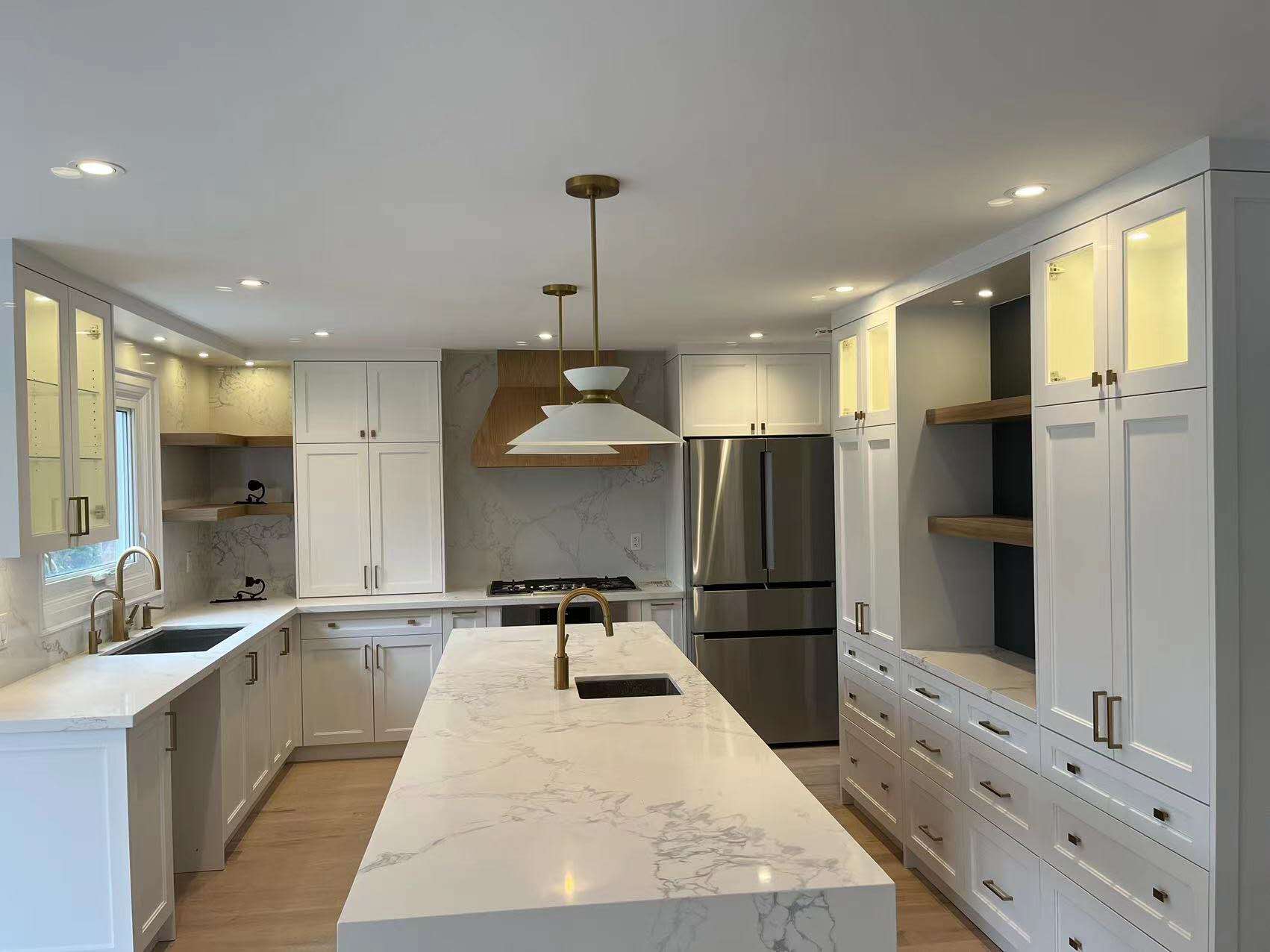
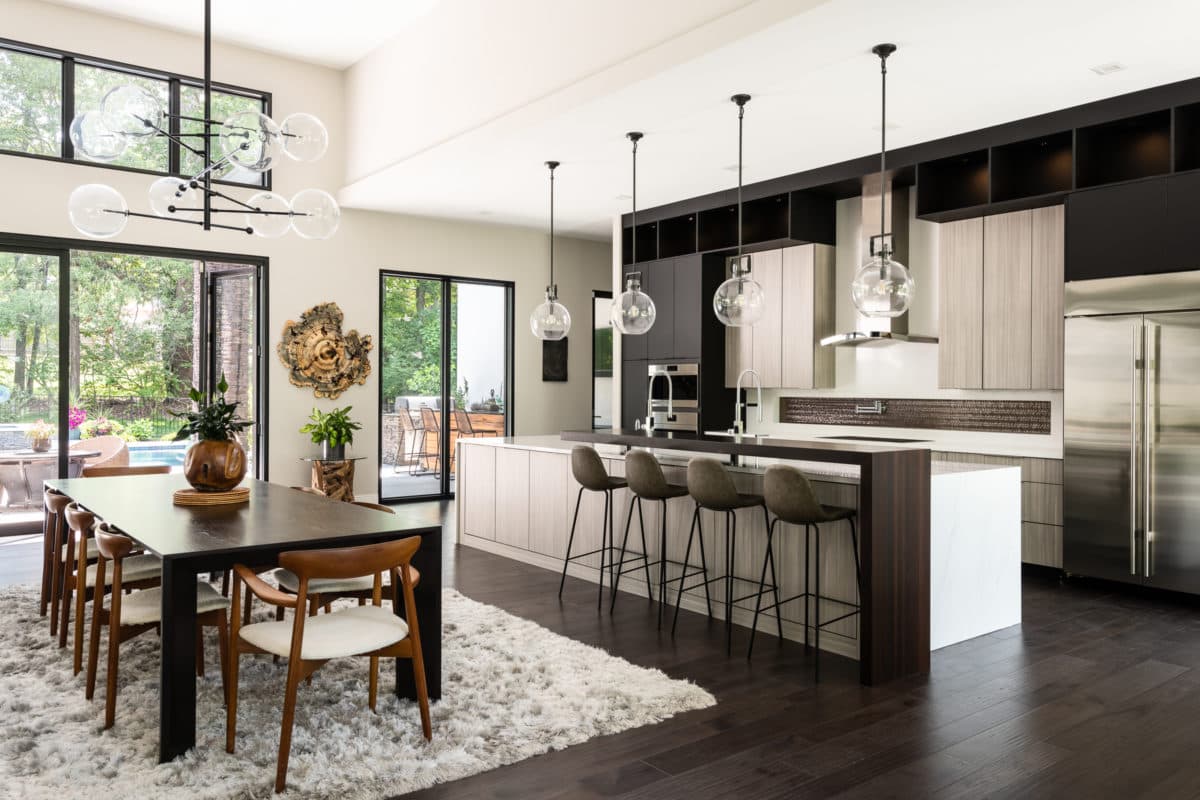
An L-shape or U-shape with a freestanding island in the centre. Islands add prep surface, seating, and storage, and they act as a social anchor for open-concept layouts. The key: the island must have at least 1.05m of clearance on all working sides. Too tight and the island becomes an obstacle, not an asset.
- Waterfall island: high-impact aesthetic, best for larger kitchens
- Prep island with seating: social and functional balance
- Mobile island: best for smaller kitchens that need flexibility
- Island with built-in appliances (microwave, wine fridge): maximizes efficiency
Open-Concept: Maximize Light and Flow
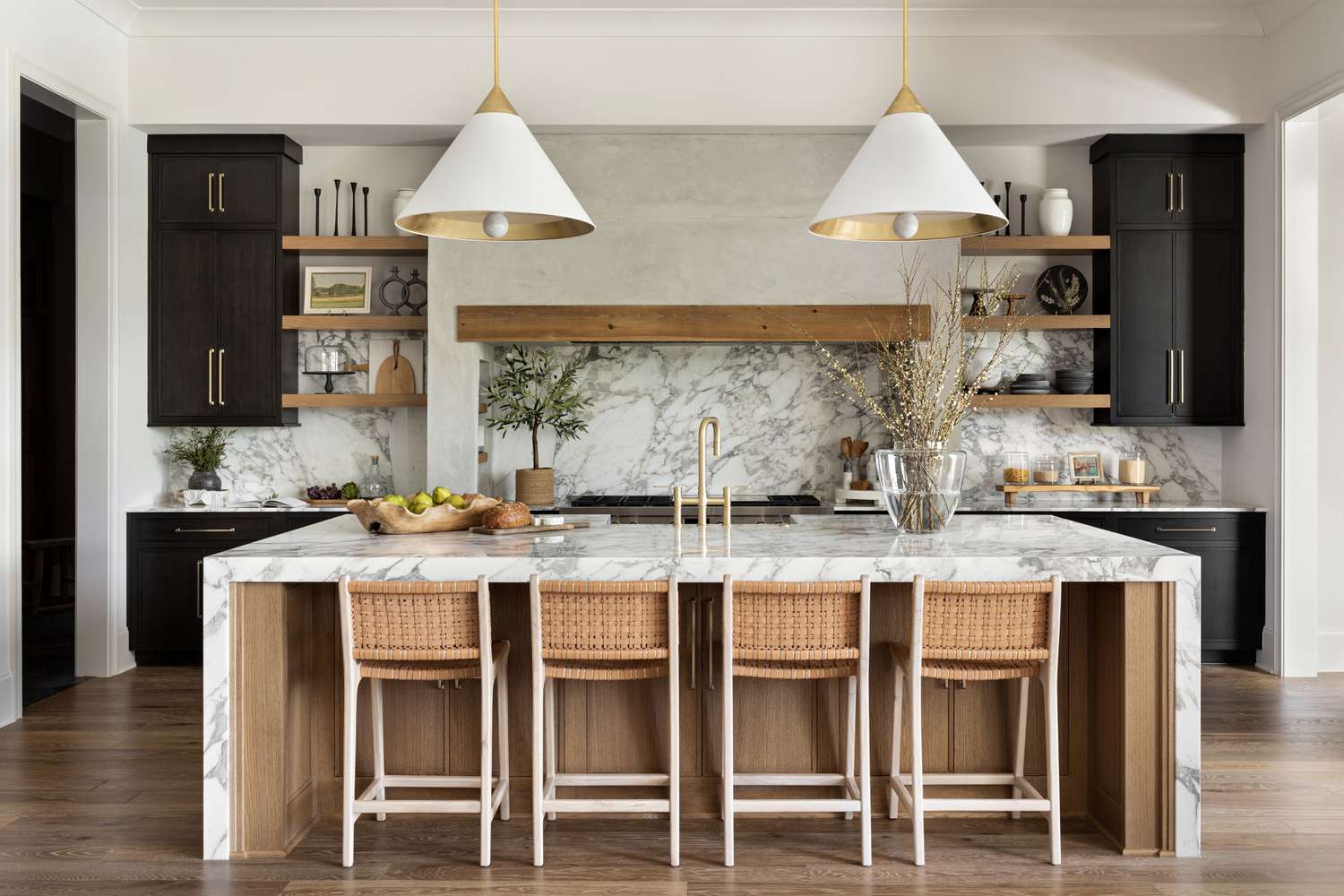
Open-concept kitchens connect to the dining and living areas. They maximize natural light and create a social atmosphere. Trade-offs include more noise transfer, cooking smells throughout the space, and less wall space for upper cabinetry. A strong ventilation hood and dedicated pantry storage become more important in open layouts.
Layout Decisions That Affect Cost
- Moving the sink changes plumbing rough-in — add $3,000 – $8,000
- Relocating the stove or range changes gas and electrical rough-in — add $2,000 – $5,000
- Adding an island in a previously closed layout often requires removing a wall — add $8,000 – $20,000
- Vaulted or coffered ceilings require structural changes — add $15,000+
Choosing the Right Layout for Your Family
- One cook, small household: galley or simple L-shape
- Family with children: island layout with open sightlines to adjacent rooms
- Frequent entertainers: open-concept with large island seating
- Serious home cook: U-shape with dedicated prep and cooking zones
"The most expensive kitchen I've ever seen had a bad layout. Layout is free to get right during the planning phase and very expensive to fix during construction."
- EZU Construction Team
EZU Construction designs and builds kitchens across the GTA. Contact us to walk through layout options for your home before any renovation decisions are made.
Ready to plan your renovation?
Get a clear scope, realistic timeline, and detailed budget from the EZU Construction team.
Book a Consultation