One of the most common questions homeowners ask before starting a home addition is: how long will this take? The honest answer is 10 to 18 months from initial consultation to occupancy for most projects in Toronto. Here is a realistic breakdown of each phase and the factors that compress or extend the schedule.
Phase 1: Design and Scope (1 – 3 months)
Before any permit can be applied for, you need drawings. For a home addition, this includes architectural drawings (at minimum), and often structural engineering. Your contractor and designer work through your program, zoning requirements, and existing conditions to produce a permit-ready set of drawings. This phase typically takes 4 – 12 weeks depending on project complexity.
Phase 2: Permit Application and Approval (2 – 5 months)
Toronto building permit timelines vary significantly by project type. A simple rear addition to a single-family home may be reviewed in 6 – 10 weeks. A larger addition requiring zoning variance, heritage review, or Committee of Adjustment approval can take 4 – 6 months or more. This phase is the most unpredictable part of the timeline.
- Simple building permit (no zoning changes): 6 – 10 weeks
- Projects requiring a minor variance: add 3 – 5 months
- Heritage district projects: add 2 – 4 months
- Revisions due to plan review comments: add 2 – 6 weeks per revision
Phase 3: Pre-Construction and Mobilization (2 – 4 weeks)
Once the permit is issued, your contractor finalizes material orders, books subtrades, and prepares the site. This phase is short but important — delays in material lead times (windows, structural steel, specialty finishes) can push your start date.
Phase 4: Foundation and Structure (4 – 8 weeks)
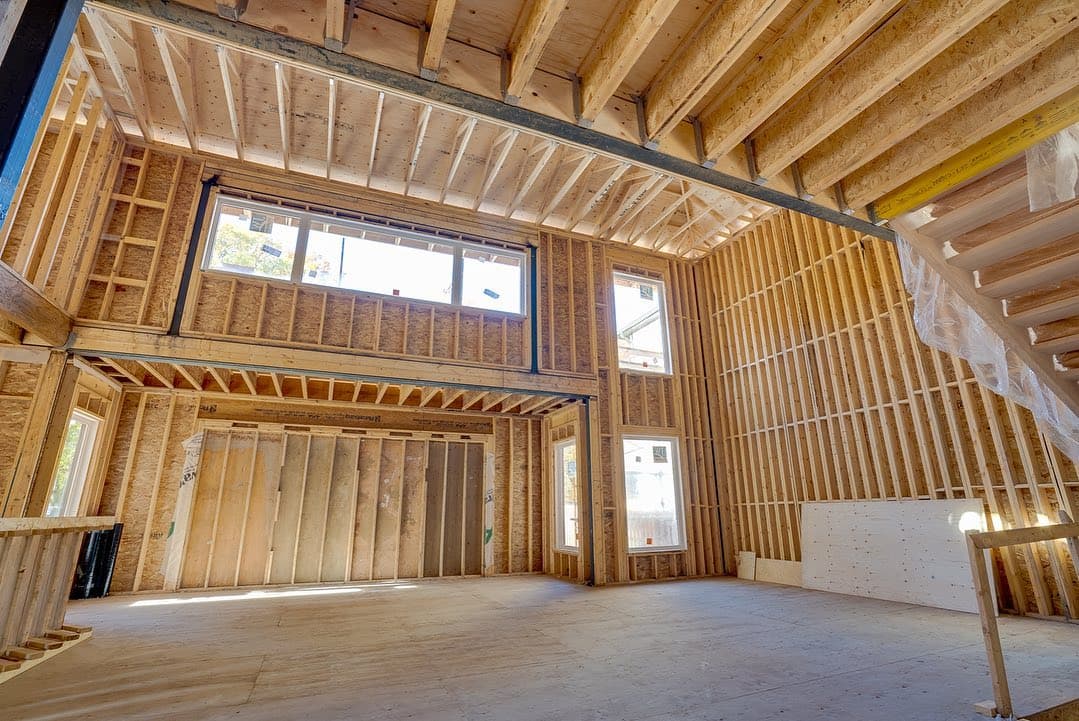
Foundation excavation, forming, pouring, and waterproofing typically take 3 – 5 weeks. Framing follows immediately. This phase moves quickly once it starts, but foundation inspections can add a week between pours.
Phase 5: Rough Mechanicals (3 – 6 weeks)
Rough plumbing, electrical, and HVAC need to be installed and inspected before insulation and drywall. Coordinating these three trades without idle time is a scheduling challenge that experienced contractors manage through pre-booking and overlapping work sequences.
Phase 6: Insulation, Drywall, and Finishes (6 – 12 weeks)
Interior finishes are where client selection decisions (cabinetry lead times, tile availability, fixture delivery) most affect the schedule. Custom or imported items can add 4 – 8 weeks to lead times. Lock in your finish selections before rough mechanical work begins.
Phase 7: Occupancy Inspection and Completion (2 – 4 weeks)
Before you occupy the addition, your municipality conducts a final inspection. Minor deficiencies must be corrected before occupancy is granted. Budget 2 – 3 weeks between substantial completion and final sign-off.
Realistic Total Timelines by Project Type
- Rear single-storey addition (no variance): 10 – 13 months
- Second-storey addition: 12 – 16 months
- Large addition requiring variance: 15 – 20 months
- Laneway suite (no variance): 12 – 15 months
Common Causes of Delay
- Permit revisions due to zoning or heritage comments
- Late finish selections (tile, cabinets, fixtures)
- Utility connection delays (hydro, gas, water)
- Weather during foundation and framing stages
- Undiscovered structural or mechanical conditions
"The permit phase is where most additions get delayed. Start your designer early, and do not wait for an approved permit to make your material selections."
- EZU Construction Team
EZU Construction manages the full timeline from design through construction. Contact us to discuss your project and get a realistic schedule before you commit.
Ready to plan your renovation?
Get a clear scope, realistic timeline, and detailed budget from the EZU Construction team.
Book a Consultation